


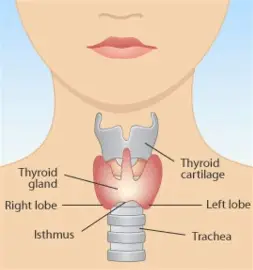
THYROID SUMMARY Obviously check with your doctor should you have any signs
The thyroid speeds up metabolism. Important at childhood for mental and normal growth
The main hormone is thyroxine (T4) which is converted to T3 outside the thyroid. T3 is more active than T4 and needs enzymes to be broken down
The pituitary gland secretes a hormone called thyroid stimulating hormone THS which supplies the stimulation to the thyroid
The pituitary only does this when ‘told’ to by the hypothalamus
BOTH underactive and overactive produce tiredness
If your thyroid is sluggish, you will feel its impact everywhere
To work at peak performance, the thyroid takes this forgotten substance and turns it into two different hormones your body needs to function. These hormones are called “thyroxine” and “triiodothyronine” (nicknamed T4 and T3).
The thyroid is regulated by the pituitary gland, a pea-sized organ in your brain. If the thyroid is the “furnace” that keeps your body’s metabolism burning brightly, then the pituitary is the “thermostat” adjusting the temperature
When your thyroid is not producing enough T3 and T4, your pituitary cranks up the heat by releasing another hormone called the Thyroid Stimulating Hormone (TSH).
When your TSH levels are chronically high, it means that your thyroid gland cannot produce enough of T3 and T4, and it is a hypothyroid (or underactive).
HYPO –Caused by some blockage to the pathway of the hypothalamus or the immune system is attacking the thyroid
If you have hypothyroidism, you may have many (or all!) of these common symptoms:
- Fatigue
- Sensitivity to cold
- Constipation
- Dry skin
- Weight gain
- Puffy face
- Hoarseness
- Muscle weakness
- Elevated blood cholesterol levels
- Muscle aches, tenderness, and stiffness
- Pain, stiffness or swelling in your joints
- Heavier or irregular menstrual periods
- Thinning hair
- Slowed heart rate
- Depression
- Impaired memory
- Headaches (A thyroid headache may feel like a dull pulsing or throbbing sensation on both sides of the head. It may occur at the bas of the neck or in a higher region. This tension-type headache can last anywhere from 30 minutes to several days and may go away after resting or OTC pain relievers)
- Thyroid, Neurological type symptoms = peripheral neuropathy (tingling and numbness sensations on the body or stabbing pains) and possible tinnitus
Health Concern #1: Poor Circulation
You might complain that you have cold hands and feet. Or it could be that you don’t feel much of a difference or notice any symptoms at all.
An underactive thyroid can decrease the amount of blood that is pumped from your heart, making your arteries less flexible, and may increase the hardening of arteries.
In a recent health study out of Australia, researchers discovered that those who had untreated thyroid issues had about double the number of cases of heart conditions compared with the normal-functioning thyroid group.
Health Concern #2: Feeling Blue
It’s normal to feel down if you’re dealing with life stressors. But it’s not normal to get the blues on a regular basis for no real reason. And, it’s not a normal sign of aging.
If you notice that you’re feeling blue more often than you should, it may be a sign to get your thyroid checked.
Health Concern #3: Skin and Hair Issues
The appearance of your skin can tell you a lot about whether your organs are functioning well on the inside. When you have a hypothyroid, your skin may start to appear dry and flaky, or you could get chronic eczema on your hands and feet.
You might also notice your hair is dry and brittle. It might start falling out and thinning, or you could lose more of your eyebrow hairs.
Associated disease with thyroid gland diseases
Emotional disturbance B6
Fatigue B1
Gallstone B6
Kidney stone A
Periods E
Anemia B6 & D
Pernicious anemia B12
Weakness D & B6
Constipation B1
Skin problems B1 & B2
Appetite B1
Arthritus C
Iodine found in:
Eggs, butter, cream, cheese, spinach, lettuce, peanuts, sea salt, iodized salt, pineapple, meat & fish, some grains and cereals
The thyroid is responsible for the metabolism of calcium and phosphorous, calcitonin is produced mostly in the C-cells or the parafollicular cells of the thyroid gland.
These symptoms are all signs that your thyroid is sluggish and not producing enough of the right levels of T3 and T4 to keep your metabolism running at optimal levels.
And with a slower metabolism, you may not be getting enough of the right nutrients that keep your skin and hair healthy.]