

Vitamin C – The Essential Antioxidant
Also known as: Ascorbic Acid or Ascorbate
Vitamin C is an essential, water-soluble vitamin that plays an important role in maintaining good health. It is best known for its antioxidant properties, helping to protect our cells from damage caused by free radicals.
What Does Vitamin C Do?
Vitamin C has several important functions in the body:
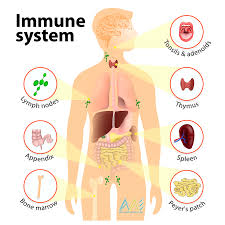
- Immune support: Helps maintain a healthy immune system and supports the body’s natural defence against infections.
- Collagen production: Essential for producing collagen, which helps maintain healthy skin, bones, cartilage, muscles and blood vessels.
- Wound healing: Supports tissue repair and recovery.
- Antioxidant protection: Helps protect cells from oxidative stress and supports the action of other antioxidants, including vitamin E.
- Iron absorption: Helps the body absorb iron from plant-based foods, which is particularly useful for people who eat little or no meat.
- Blood vessel health: Supports normal blood vessel function.
- Healthy skin: Contributes to normal skin structure and maintenance.
Vitamin C and the Common Cold
Vitamin C is often associated with preventing colds. Research suggests that regular supplementation does not prevent colds in most people, but it may modestly reduce their duration and severity.
Best Food Sources of Vitamin C
Vitamin C is readily available in many everyday foods. Good sources include:
- Oranges, lemons and grapefruit
- Strawberries and blackcurrants
- Red and green peppers
- Broccoli and Brussels sprouts
- Kiwi fruit
- Parsley
- Rosehips
Eating a variety of fresh fruit and vegetables is an excellent way to maintain your vitamin C intake.
Signs of Possible Deficiency
Severe vitamin C deficiency causes scurvy, although this is uncommon in developed countries.
Possible early signs of inadequate intake include:
- Tiredness and fatigue
- Easy bruising
- Bleeding or swollen gums
- Slow wound healing
- Dry or rough skin
Smokers are at greater risk of low vitamin C levels because smoking increases oxidative stress and vitamin C requirements.
How Much Vitamin C Do We Need?
Vitamin C requirements vary depending on age, lifestyle and individual circumstances.
For most adults, a daily intake of around 75–90 mg is generally recommended, with smokers requiring more.
Many people obtain sufficient vitamin C through a varied diet. Supplements may be useful when dietary intake is inadequate or when recommended by a healthcare professional.
Are There Any Precautions?
Vitamin C is generally well tolerated, but high supplemental doses can cause diarrhoea, stomach discomfort and nausea.
People with a history of kidney stones, kidney disease or iron-overload conditions should seek medical advice before taking high-dose supplements. Vitamin C can also interact with certain medications.
My Wellness Tip
Vitamin C is one of the simplest nutrients to include in your daily health routine. Rather than relying entirely on supplements, enjoy a colourful selection of fresh fruit and vegetables every day.